Two Courses, One Mission: Building Sustainability Practitioners Who Are Ready to Act
March 23, 2026
I spend a lot of time thinking about how we teach sustainability. Not just the what, but the how and why. At TripleWin Advisory, a woman-founded, -owned, and -led sustainability consultancy and registered public benefit company, we believe real progress on circularity requires more than good intentions. It requires practitioners who are genuinely equipped to act. That conviction is what led us to develop two courses now available through ISSP: Cultivate and Mitigate.
Both courses have since been adopted by universities and are reaching sustainability students across the country. Knowing what went into building them makes me want to share the story behind each one.
Mitigate: Built From Practice, Not Textbooks
Mitigate was created from hands-on work with partners tackling one of the most pressing issues in sustainability: food waste. Reducing food waste is consistently ranked among the highest-impact solutions to climate change, and yet it remains one of the most underfunded and under-addressed areas in the field. TripleWin Advisory has worked with the World Wildlife Fund (WWF) and the Pacific Coast Food Waste Commitment (PCFWC), a public-private partnership whose frameworks were ultimately adopted at the national level. Those assets, that research, and those hard-won insights form the backbone of Mitigate.
When we talk about food waste reduction strategies in this course, we're drawing on frameworks that have been tested and refined in real supply chains and policy environments. For learners who want to do this work professionally, that grounding matters.
The University of Wisconsin has integrated Mitigate into their undergraduate and graduate sustainability programs, which speaks to what the course offers academically: rigorous, applied content that bridges the classroom and the field.
Cultivate: Sustainability Through a Circular Lens
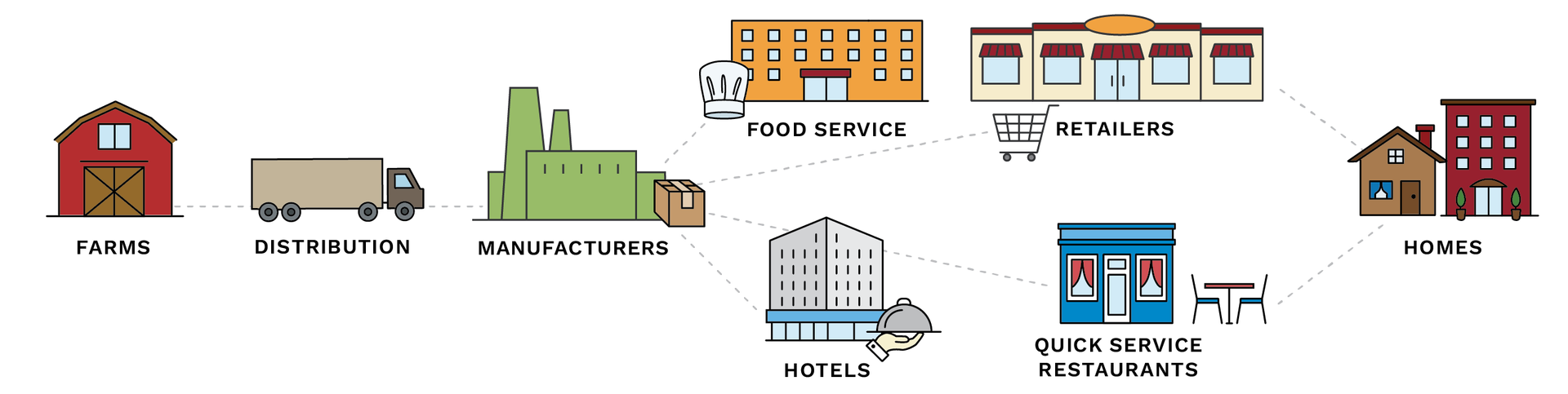
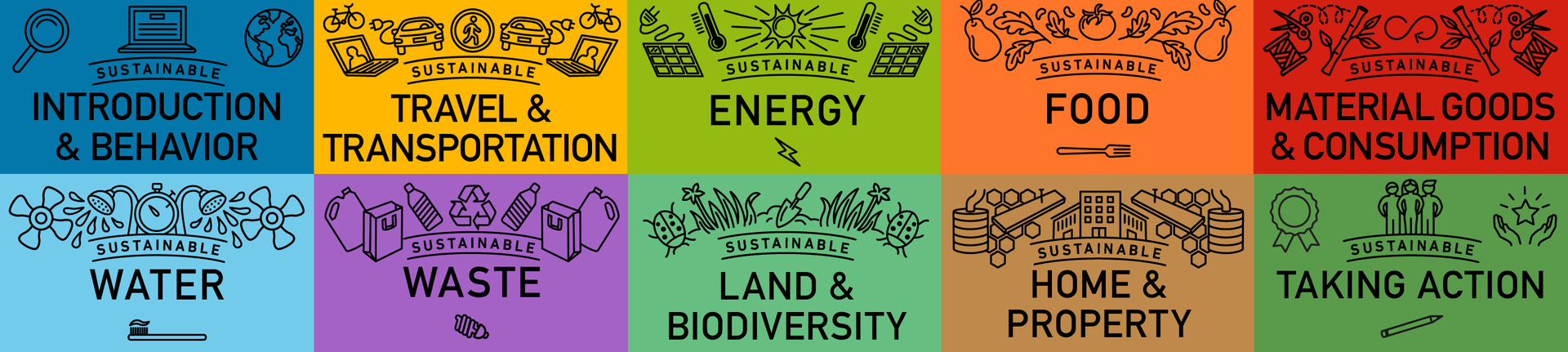
Cultivate was designed to meet students and sustainability professionals where they are: curious and motivated, but often overwhelmed by the breadth of the sustainability landscape. The course walks through key impact categories, including energy, water, materials, and food systems, but what sets it apart is the circular perspective woven throughout. Rather than treating each category as a separate silo, Cultivate consistently asks: where does this come from, where does it go, and how do we close the loop?
The goal was never to produce a traditional course. We wanted something that would genuinely shift how participants see the systems around them, in their organizations, their communities, and their own professional practice. Sustainability isn't just a checklist. It's a way of thinking, and building that capacity is at the heart of what Cultivate does.
We were thrilled when Indiana University integrated Cultivate into its sustainability curriculum, making it available to students. Knowing this framework is shaping the next generation of practitioners before they ever step into a professional role is exactly the kind of impact we set out to create.
Why This Matters for ISSP Members
ISSP members are people who take sustainability seriously, professionals who want to do this work with rigor and integrity. Both Cultivate and Mitigate were built with that kind of learner in mind. Whether you're early in your sustainability career or a seasoned practitioner looking to deepen expertise in circular systems or food waste strategy, these courses offer something substantive.
I'm proud that ISSP is now home to both. And I'm especially proud that TripleWin, a small women-led consultancy committed to advancing circularity, has been able to contribute to the professional development ecosystem that ISSP represents.
If you're considering either course, I'm happy to answer questions. And if you're an educator or institution looking to integrate sustainability content grounded in real-world application, I'd love to hear from you.
About the Author: Amy Hall serves as the Education Lead at TripleWin Advisory, a corporate sustainability consultancy that empowers businesses to measure and reduce their environmental impact, adopt circular economy practices, and build sustainability literacy across their workforce. In her role, Amy develops and delivers training programs and employee engagement competitions and fosters a culture of sustainability, with a particular focus on food loss and waste reduction. She holds a Master of Science in Sustainable Management from the University of Wisconsin and a bachelor’s degree in graphic design.
Photos: Canva Stock, TripleWin Advisory
Read perspectives from the ISSP blog